Turkey Sets New Renewable Energy Record as Solar and Wind Surge
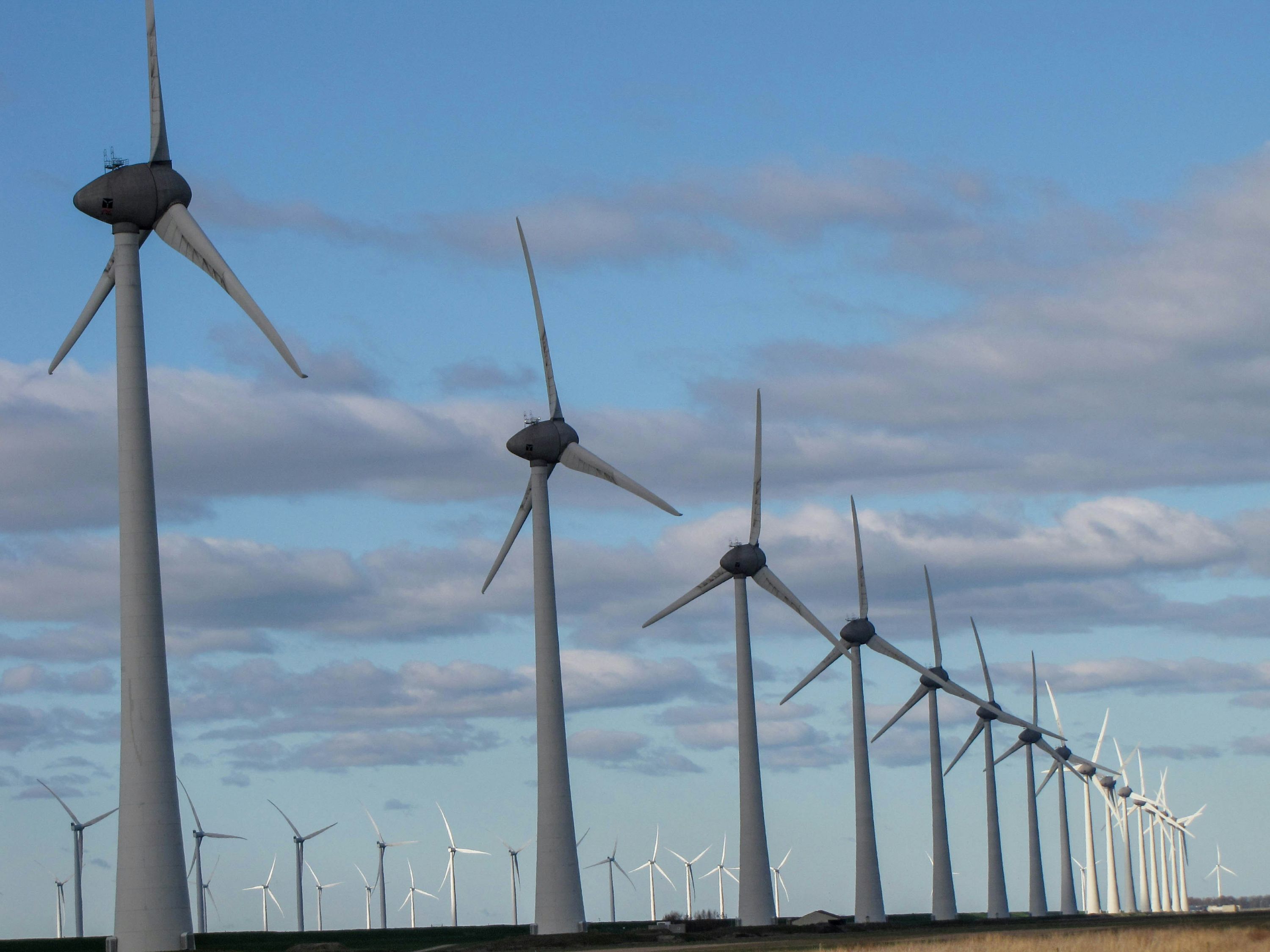
Turkey has reached a new milestone in its renewable-energy expansion, with solar and wind power accounting for more than half of the country’s electricity generation in August.
According to Türkiye’s energy authorities, solar and wind together supplied 56.4% of electricity generated during the month, marking a significant moment for a country seeking to reduce its dependence on imported fossil fuels. Solar power contributed around 23.2%, while wind supplied approximately 22.7%, with the remainder coming from other renewable sources.
The figures are particularly notable because Turkey has traditionally relied heavily on coal and natural gas alongside hydropower to meet its electricity needs. The growing contribution from wind and solar is changing that generation mix and providing additional domestic sources of electricity.
The record also reflects the rapid expansion of Turkey’s renewable-energy infrastructure. Falling technology costs, increased investment and favourable natural conditions have helped the country build substantial solar and wind capacity over the past decade.
However, higher renewable generation also presents challenges for the electricity system. Solar and wind output varies according to weather conditions, meaning Turkey must continue investing in grid infrastructure, electricity storage and flexible generation to ensure supply remains reliable when renewable production falls.
The latest figures therefore represent more than a monthly generation record. They demonstrate how quickly renewable energy can reshape a national electricity market when capacity continues to expand.
For Turkey, the challenge now is turning this growing renewable capacity into a stable, resilient power system capable of supporting rising electricity demand while reducing reliance on imported energy.