Nominations now open — Submit before 15 December 2026 · Free to enterSubmit Now
Energy Excellence — International Recognition

GlobalEnergyAwards

Celebrating excellence across renewable energy, oil and gas, power generation, sustainable solutions, and leaders driving the energy transition worldwide.

Scroll to explore
About the Awards

Celebrating energy & utilities
at its finest

The Global Energy Awards celebrates the companies, innovators, and leaders transforming the global energy sector — from renewable pioneers and sustainable solutions to excellence in power generation, oil and gas, and grid innovation.

Our independent judging panel evaluates each nomination for innovation, sustainability, operational excellence, and contribution to the global energy transition.

"In a rapidly evolving sector, the Global Energy Award is the independent recognition of genuine impact and leadership."

45+
Countries
300+
Winners
10
Core Categories
5
Years Running
Who Can Enter

Energy producers, utilities, renewable innovators, tech providers, and sustainability leaders worldwide.

Startups and multinational corporations are equally eligible. The award recognises genuine innovation and impact.

Award Categories

The sub-industries
we recognise

The Global Energy Awards covers ten categories spanning renewables, conventional power, innovation, and sustainability.

01
Best Renewable Energy Company
Recognising excellence in solar, wind, hydro, and emerging renewable technologies.
02
Best Energy Transition Initiative
Honouring projects that significantly accelerate the shift towards sustainable energy.
03
Best CleanTech Innovator
Celebrating technology solutions that improve energy efficiency and reduce emissions.
04
Best Oil & Gas Company
Awarding operational excellence, safety, and sustainable practices in conventional energy.
05
Best Power Utility
Recognising exceptional service, reliability, and innovation in power generation and distribution.
06
Best Energy Storage Solution
Honouring advancements in battery tech and large-scale energy storage systems.
07
Best Green Hydrogen Project
Celebrating pioneers in the development and deployment of green hydrogen.
08
Best Smart Grid Technology
Awarding solutions that modernize and digitize energy networks.
09
Best ESG Performance
Recognising energy companies leading the way in environmental, social, and governance standards.
10
Energy Company of the Year
The flagship award for the business that has demonstrated outstanding leadership across the sector.
✦
...and many more

We recognise excellence across all specialized sub-categories and disciplines within Energy, Utilities & Sustainability.

How It Works

A rigorous,
transparent
process

Every nomination submitted to the Global Energy Awards is assessed through the same independent, structured process — ensuring fairness, credibility, and genuine prestige for every winner.

01
Submit Your Nomination
Complete the nomination form with details about the business, project, or professional you wish to put forward. Nominations are accepted year-round.
02
Initial Eligibility Review
Our editorial team reviews all submissions to confirm eligibility, completeness, and alignment with the relevant category criteria.
03
Independent Evaluation
Shortlisted nominees are assessed by our independent judging panel — senior professionals drawn from across the Energy, Utilities & Sustainability industry internationally.
04
Winner Announcement
Winners are notified, formally announced, and presented with their Global Energy Awards digital credentials and certification.
05
Profile Publication
Each winner receives a dedicated profile page published on the Global Energy Awards website, with backlinks and social promotion across the Global Awards network.
Past Winners

Recognised for
excellence

SunCulture
Energy
SunCulture
SunCulture is a Kenya-based energy and agricultural technology business developing solar-powered water-pumping and irrigation systems for smallholder farms. Its products combine solar panels, pumps and related equipment to make water access less dependent on fuel-powered machinery or unreliable electricity. The business also offers consultation, installation, farmer training and ongoing support, treating irrigation as a practical service rather than a stand-alone equipment sale. SunCulture promotes an instalment-payment approach known as Pay-As-You-Grow, intended to reduce the initial cost of adoption. Its relevance to the Global Energy Awards lies in productive uses of off-grid electricity, small-scale energy access and the overlap between clean power and agriculture. Customer economics, water-use results, product durability and the company’s environmental claims should be assessed through current, independently documented evidence.
Wahu Mobility
Energy
Wahu Mobility
Wahu Mobility is a Ghanaian electric-mobility business that designs and offers electric two-wheelers for commuters and working riders. Its service combines vehicles with financing arrangements, maintenance, training and a digital rider application. The company’s public website describes an e-bike subscription-to-ownership model and links its products to the everyday requirements of delivery and transport workers in Accra. Rather than presenting electrification only as a vehicle purchase, Wahu addresses access, servicing and the economics of running a bike for work. Its connection to the energy sector comes through battery-powered transport and associated charging activity. It is a prospective fit for energy-transition mobility, practical product innovation and customer-focused electrification. Advertised income gains, vehicle range, costs and emissions savings would require independent verification before an award assessment.
Arnergy
Energy
Arnergy
Arnergy develops solar-energy and battery-storage products for Nigerian homes, enterprises and larger facilities. Its published range includes integrated home systems, commercial solar-and-storage configurations and portable power units. The company also supplies monitoring software, allowing customers to view system operation, battery status and energy performance through a connected application. The offering responds to the demand for dependable electricity where grid interruptions or generator costs affect daily activity. Arnergy brings hardware, control software and financing options into one service proposition, with solutions intended for different levels of consumption. That makes it relevant to distributed energy, resilience and customer-led power technology. For the Global Energy Awards, a meaningful review would examine design standards, after-sales support, storage safety, customer savings and field reliability, rather than rely solely on the company’s published impact figures.
MeshPower
Energy
MeshPower
MeshPower is a Rwanda-registered electricity-access company providing solar-powered nanogrids to communities that may not have dependable conventional grid connections. Its system uses a central solar-and-battery installation with smart meters and load management to distribute electricity to nearby households and businesses. MeshPower presents the service as pay-as-you-go power, enabling customers to purchase electricity without first acquiring a private solar system. The business illustrates an alternative to individual solar-home products: shared infrastructure combined with software-enabled metering. Its technology and operating arrangements create potential relevance to off-grid energy innovation, rural electrification and community utility services. The company states that it is a subsidiary of US-based Xpower, an ownership point to check during nomination research. Current operating sites, tariff affordability and customer outcomes should also be confirmed.
SOLA Group
Energy
SOLA Group
SOLA Group is a South African renewable-energy developer and operator serving commercial customers through solar generation, storage and long-term power contracts. Founded in 2008 according to its published history, the group works on project development, financing, construction and operation. Its portfolio also includes electricity wheeling, under which generation and consumption may be located at different sites and delivered through existing grid infrastructure. SOLA offers an example of the energy transition at the scale of industrial and corporate power users rather than household systems. Its published materials describe private power-purchase agreements and both traditional and virtual wheeling arrangements. It is a potential prospect for renewable project development, grid-market innovation and energy infrastructure operations. Formal judging should check commissioning status, grid compliance, project performance and the evidence supporting reported environmental benefits.
KarmSolar
Energy
KarmSolar
KarmSolar is an Egyptian solar-energy business developing and operating private electricity networks, on-site generation and microgrids for organisations. Its stated focus includes agricultural operations, industry, commercial developments and remote sites where grid access may be limited. The company combines solar generation with distribution arrangements and, where needed, storage or other backup technologies to support local electricity supply. The business is distinctive for treating solar power as infrastructure that can be owned, managed and supplied over time, rather than simply installed and handed to a buyer. It is relevant to private renewable utilities, off-grid and hybrid systems, and service-based energy delivery. The company’s claims about energy costs and decarbonisation should be checked against current site data, while any award review should assess safety, reliability and contractual performance.
Daystar Power
Energy
Daystar Power
Daystar Power is a Lagos-based provider of solar and hybrid electricity systems for commercial and industrial customers across West Africa. It develops energy solutions for businesses seeking alternatives to diesel-heavy generation and unreliable power. Services advertised on its website include solar-as-a-service, hybrid power arrangements and ownership financing. Its clientele spans sectors such as manufacturing, distribution and financial services, where dependable power can be operationally important. Daystar has operated as a wholly owned Shell subsidiary since Shell completed its acquisition in 2022, an ownership detail that is relevant when assessing eligibility. The company is a prospect for distributed power generation, industrial energy service and transition-related operating models. Judging should distinguish installed capacity from independently verified customer savings, uptime, emissions reductions and operational safety. Its place in a wider corporate group should be considered explicitly.
Orb Energy
Energy
Orb Energy
Orb Energy is an Indian solar-energy business headquartered in Bengaluru, supplying rooftop and ground-mounted photovoltaic systems as well as solar water-heating products. Founded in 2006, it describes a vertically integrated model that includes in-house solar-panel manufacturing, project design, installation and maintenance. Its customer base covers households, small businesses and larger commercial and industrial facilities, with an additional presence in Kenya. A notable feature of Orb Energy’s model is its financing offer for commercial and industrial customers, designed to lower barriers to buying solar equipment. This connects manufacturing expertise with the economics of energy adoption. The company is relevant to solar product development, distributed generation and clean-energy services for businesses. Published installation totals and savings estimates should be verified with up-to-date project records if used in judging or external publicity.
SOLshare
Energy
SOLshare
SOLshare is a Bangladesh-based climate-technology business working with distributed solar electricity, storage and smart energy exchange. Its earlier work developed peer-to-peer solar microgrids that allow participating users to share or trade electricity. The company now presents a wider vision involving connected rooftop solar assets, batteries and electric-mobility infrastructure, using its SOLbazaar platform to coordinate decentralised resources. The business is relevant because it approaches electrification as a network-management problem rather than solely a generation challenge. Its products connect digital controls, local markets and physical energy assets, making it a research prospect for energy access and smart-grid innovation. A formal nomination should check which solutions are currently operating at scale and obtain independently verified data on affordability, grid interaction, customer participation and measured social or environmental results.
VF
Energy
VFlowTech
VFlowTech, which presents its current brand as VFT, is a Singapore-based developer of vanadium redox flow battery systems for longer-duration electricity storage. Its products use flow-battery technology, in which energy is stored in liquid electrolytes and later discharged when power is needed. The company markets the systems for utility, renewable generation and critical-infrastructure applications requiring storage beyond the typical short-duration battery window. VFT’s proposition is linked to the need for electricity systems that can accommodate variable solar and wind production while preserving reliability. Its technology differs from conventional lithium-ion storage in chemistry, system design and potential operating characteristics. It is a prospective candidate for storage innovation and resilient energy infrastructure. Any evaluation should independently establish installed projects, efficiency, cost, safety performance, service life and the basis of the company’s technical claims.
Selex Motors
Energy
Selex Motors
Selex Motors is a Vietnamese electric-mobility company developing motorcycles, removable lithium-ion batteries and a network of battery-swap locations. Its products are designed for urban riders and commercial mobility, where stopping to charge a vehicle may reduce working time. The company also offers software for locating swap stations, managing a vehicle and accessing related services, bringing connected technology into the charging experience. The most distinctive part of the model is the shared energy infrastructure surrounding the vehicle. By coordinating battery design, swap points and subscriptions, Selex aims to make electric two-wheelers more practical for regular use. It is relevant to transport electrification, charging operations and battery-based service innovation. Battery durability, swap availability, road safety and actual operating economics should be independently assessed rather than assumed from marketing information.
Solaric Corporation
Energy
Solaric Corporation
Solaric Corporation is a Philippine provider of rooftop photovoltaic systems for homes and commercial premises. Founded in 2013 according to its website, the company offers equipment supply, engineering, installation and subsequent maintenance. It also explains grid-tied systems and net metering to customers who want to reduce their purchases of conventional electricity. Its services make distributed solar technology accessible through a practical, installation-led business model. Solaric is particularly relevant to energy awards focused on solar installation, customer education and reliable distributed power. A core part of the product is not the panel alone but correct system sizing, technical work and ongoing support. Independent assessment should consider installation quality, electrical compliance, realistic payback information, customer service and performance over time. Its claims of market leadership and installation scale should be checked before nomination.
Xurya
Energy
Xurya
Xurya is an Indonesian solar-power company serving commercial and industrial building owners. Its published offering combines financing, engineering, rooftop installation, monitoring and operations and maintenance. By helping businesses introduce photovoltaic generation without necessarily managing every stage in-house, it works at the intersection of infrastructure investment and recurring energy services. The company identifies manufacturing, logistics and other business properties among its target uses. Xurya’s approach illustrates how a financial and operating model can accelerate adoption of a familiar technology. Solar generation becomes a managed commercial arrangement rather than a one-off equipment transaction. It is a potential candidate for distributed solar development, clean-energy financing and operational service quality. Relevant evidence would include production data, safety procedures, contract structures, customer outcomes and the present scope of any certifications or sustainability claims.
Gridwiz
Energy
Gridwiz
Gridwiz is a South Korean energy-technology business providing demand-response services, energy-storage management and electric-vehicle charging solutions. Its platform helps commercial electricity users monitor and adjust demand while participating in programs that reward load flexibility. The company also describes software and communication technologies that connect storage assets, renewable energy systems and charging equipment to wider energy networks. Gridwiz is an example of a company whose principal contribution is not producing fuel or electricity but improving how electricity is used and coordinated. Its services address peak demand, grid reliability and the growing role of flexible loads. For the Global Energy Awards it is relevant to smart grids, software-enabled utilities and energy-system optimisation. Assessment should examine verifiable customer results, technical interoperability, security standards and grid-program compliance.
Octopus Energy
Energy
Octopus Energy
Octopus Energy is a British-founded energy supply and technology business whose activities include domestic electricity retail, renewable-energy development and flexible consumer tariffs. It uses digital tools to manage customer accounts and encourage customers to shift some consumption to more suitable times. Since launching in 2016, the brand has expanded to markets outside the United Kingdom while retaining a strong focus on technology-led energy services. The wider group has also developed energy-industry software, although its Kraken platform has been subject to a separately announced spin-off, so current ownership should not be assumed. Octopus is relevant to customer-centred energy supply, technology adoption and demand flexibility. Awards assessment should consider present corporate structure, service quality, regulatory compliance and independently documented effects on customer cost, renewable consumption and grid performance.
Verkor
Energy
Verkor
Verkor is a French battery producer based around facilities in Grenoble and northern France. Its activities connect battery research, industrial engineering and manufacturing intended for electric mobility and stationary electricity storage. The company describes an innovation centre in Grenoble and a large production site in Bourbourg, with products designed for transport and energy-system uses where battery quality and consistency are essential. Verkor is relevant to the energy transition because batteries link electricity generation with mobility and grid flexibility. Its approach emphasises European production capabilities and industrial-scale manufacturing rather than consumer installation alone. For the Global Energy Awards, potential themes include energy storage manufacturing, applied research and supply-chain development. Independent evaluation should verify production status, process standards, lifecycle impacts and performance of batteries in their intended applications.
1KOMMA5°
Energy
1KOMMA5°
1KOMMA5° is a Germany-rooted clean-technology company providing integrated household energy systems. The offering brings solar photovoltaics, batteries, heat pumps and electric-vehicle chargers together with installation services. Its Heartbeat AI management system connects compatible devices and can coordinate consumption, charging and storage against household energy needs and electricity-market signals. The company also works through regional specialist installation businesses. By linking equipment and software, 1KOMMA5° positions residential customers as participants in an increasingly flexible power system. This makes the company relevant to smart home energy, virtual power plants and integrated electrification services. Formal evaluation should check device compatibility, data security, installation qualifications, system reliability and actual financial benefits. Savings projections and environmental performance should be supported with evidence from deployed systems rather than general estimates.
Wallbox
Energy
Wallbox
Wallbox is a Spanish-founded charging-technology company supplying electric-vehicle charging equipment for homes, workplaces and public locations. Its portfolio includes connected charging hardware and software designed to monitor sessions, manage electrical loads and coordinate vehicle charging with available power. The company also markets energy-management features that can work alongside residential solar production and other electrical systems. The business represents an infrastructure layer of transport electrification: users need not only electric vehicles but also effective, safe and manageable charging. It is relevant to energy-product engineering, charging networks and smart load management. Awards judging would need evidence of product reliability, compliance with applicable electrical and cybersecurity standards, ease of installation, support quality and independently documented performance in real operating environments.
Energy Dome
Energy
Energy Dome
Energy Dome is an Italian energy-storage innovator developing systems based on its CO2 Battery concept. The technology stores electricity through a thermodynamic process involving carbon dioxide and industrial components, then releases energy when required by the grid. Based in Milan, the company markets longer-duration storage solutions intended to support power-system reliability, renewable generation and customers requiring electricity outside immediate production hours. Its proposition differs from standard electrochemical batteries and is relevant to the challenge of balancing electricity supply over longer periods. Energy Dome is a research prospect for energy storage innovation, grid resilience and new generation-support technologies. Its stated efficiency, project status, storage duration and operating life should be reviewed against independently verified test and commercial records. Siting, safety and total delivered-energy costs also warrant examination.
ML System
Energy
ML System
ML System is a Polish technology and manufacturing business specialising in photovoltaics integrated into buildings. Its portfolio includes PV glass, façades, roofing elements, canopies and other architectural components that can produce electricity while serving a construction purpose. The company also presents customised designs and supporting installation systems for architects and developers, positioning its products between the energy and building-material sectors. ML System illustrates a product-led route to distributed generation, particularly where conventional roof space is limited or the appearance of a building matters. It is a prospective fit for solar technology, manufacturing innovation and sustainable construction systems. Evaluation should distinguish design flexibility from independently proven electrical output, durability, fire safety, building-code conformity and whole-life environmental performance.
Cleanwatts
Energy
Cleanwatts
Cleanwatts is a Portugal-based energy technology company working on renewable-energy communities and local electricity-sharing arrangements. From its base in Coimbra, it provides structures for organisations and communities to participate in local generation, consumption and management of solar power. Its published services combine project development with digital coordination, allowing multiple energy users to take part in a shared local-energy model. The company is relevant to an increasingly decentralised energy market in which households, public bodies and businesses can participate in generation rather than rely only on a conventional utility. Potential awards themes include community energy, electricity management and new business models for renewable adoption. Regulatory permissions, community participation, real bill savings and verified project performance should all be checked independently before judging.
SO
Energy
Solfácil
Solfácil is a Brazilian platform supporting the purchase and deployment of photovoltaic systems through financing, equipment distribution and related services. It works with solar installation partners and offers financial products intended to make adoption more accessible to end customers. Its group includes separate businesses undertaking financing activities and the commercial supply of solar equipment, according to its published legal information. The company’s importance to the energy sector lies in addressing a financial obstacle rather than inventing a new generation technology. Its services connect installers, buyers and funding for distributed solar projects. It is a prospect for energy-transition finance and solar market infrastructure. The legal identity of any nominated entity, lending authorisations, customer terms and evidence of responsible financing would need careful review alongside installation results.
Bright
Energy
Bright
Bright is a Mexican distributed-energy company supplying renewable power arrangements to businesses. Its published offering includes solar photovoltaic projects, battery energy storage systems and financing structures such as power-purchase agreements and leasing. The company began with broader consumer and business solar services and now highlights tailored systems for industries, including manufacturing, cold storage, hospitality and retail. Bright brings together engineering, customer finance and ongoing commercial support, addressing how businesses adopt equipment without taking on every technical and capital requirement themselves. It is relevant to commercial solar deployment, storage integration and energy service innovation. A formal assessment should examine the project pipeline versus commissioned sites, system safety, customer contracting, measured energy output and the credibility of cost-saving claims.
Celsia
Energy
Celsia
Celsia is a Colombian electricity company with operations spanning power generation, distribution and commercial energy services. Its published portfolio combines hydroelectric generation with solar and thermal capacity, while its networks and customer activities cover different parts of the electricity value chain. The company also offers business customers renewable-energy and infrastructure solutions and describes projects in Colombia and other Latin American markets. Unlike single-product energy start-ups, Celsia shows the operational complexity of maintaining utility infrastructure while adding new generation and customer services. It is relevant to power-sector operations, grid reliability and renewable transition strategies. Any awards review should use audited operational figures where available and consider reliability, safety, customer experience, regulatory adherence and the comparative performance of its different generating technologies.
Copec Voltex
Energy
Copec Voltex
Copec Voltex is a Chilean electric-mobility charging business operating public charging infrastructure and offering equipment for homes and companies. Its network connects charging locations along roads and in urban areas, while its online services help drivers locate equipment, manage a charging session and understand tariffs. The company also markets charging solutions for organisations introducing electric fleets or workplace facilities. Voltex represents the practical delivery of cleaner transport through accessible charging rather than vehicle manufacture. Its service is relevant to energy infrastructure, interoperability and fleet electrification, with customer convenience an important element. An awards evaluation should establish station availability, maintenance records, charging speeds, network safety, pricing clarity and the origin of supplied electricity rather than equating all electric-vehicle use with zero environmental impact.
Vista Energy
Energy
Vista Energy
Vista Energy is an energy producer with a major operating focus on oil and natural gas in Argentina’s Vaca Muerta formation. Its investor materials describe field development, production assets and expansion activity involving unconventional hydrocarbon resources. The business operates within the established oil-and-gas value chain, where geological expertise, drilling programmes, infrastructure and operational discipline are important to commercial performance. Including Vista brings conventional energy operations into a shortlist otherwise weighted towards renewables and electrification. It is relevant to upstream operational excellence, energy-sector investment and the management of complex production assets. A responsible awards assessment should examine production and safety records, methane controls, water management, regulatory compliance and independently substantiated environmental information. Inclusion should not be interpreted as an endorsement of fossil-fuel expansion or claims of transition leadership.
Cálidda
Energy
Cálidda
Cálidda is a Peruvian natural-gas distribution business operating the concession for Lima and Callao. Its responsibilities include developing, operating and maintaining distribution infrastructure that connects natural-gas supply to homes and businesses. The company is part of the Grupo Energía Bogotá corporate structure, which should be considered when establishing award category rules and legal eligibility. Natural-gas networks remain an important part of energy and utility services, while also raising questions about emissions and long-term infrastructure planning. Cálidda is a prospect for distribution operations, utility customer service and technical network management. Independent judging should consider leakage prevention, safety, reliability, regulatory compliance, customer connections and transparent reporting. Broad environmental comparisons should not be accepted without appropriate evidence and context.
Avolta Energy
Energy
Avolta Energy
Avolta Energy is a Costa Rican energy-services company designing and installing photovoltaic systems for business, industrial and residential customers. Its offering extends to battery storage, backup power, system monitoring and technical support, with project planning based on a customer’s operating needs. Publicly described installations include sites serving healthcare, commerce and other organisations with significant electricity demand. The company’s proposition reflects a service-led approach to renewable electricity, where system engineering and post-installation performance may be as important as hardware selection. It is relevant to solar project delivery, energy resilience and customer-specific system integration. A formal review should confirm completed project details, permitting, product standards, maintenance practices and the actual financial and environmental outcomes experienced by clients.
FE
Energy
Form Energy
Form Energy is a United States energy-storage company developing iron-air batteries intended to discharge electricity over multiple days. Its system uses iron, air and an aqueous electrolyte, with modules assembled into larger power installations. The company has also developed manufacturing capability in West Virginia and uses grid modelling tools to study where extended-duration storage may provide value for utilities and electricity customers. The business addresses a specific grid problem: short-duration batteries may not cover lengthy periods of low renewable generation or high system stress. Form is a prospect for storage chemistry, advanced manufacturing and energy resilience. Evaluation should scrutinise independently documented testing, installed projects, delivered energy cost, safety, lifecycle assumptions and performance over repeated charge-discharge cycles rather than relying only on design targets.
FE
Energy
Fervo Energy
Fervo Energy is an American geothermal-energy developer working to increase the practical locations where underground heat can be used to generate electricity. Its enhanced geothermal approach draws on subsurface engineering and well technology associated with the oil-and-gas industry, then applies these techniques to circulate fluids and recover heat for power production. Its projects seek to provide electricity that is available independently of sunshine or wind. Fervo represents an energy-transition path that transfers existing drilling skills into a different electricity resource. It is relevant to geothermal innovation, power generation and technical development. Awards assessment should consider measured plant output, subsurface safeguards, induced-seismicity management, water use, regulatory permits, construction costs and operational reliability. Project announcements and commercial contracts should be distinguished from demonstrated long-term generating performance.
SPAN
Energy
SPAN
SPAN is a United States technology company developing intelligent household electrical panels and related energy controls. Its products replace conventional distribution equipment with connected systems that allow users to monitor electricity use by circuit and manage selected loads. The panels are designed to work with technologies such as household batteries, solar systems and electric-vehicle charging, making the home’s electrical infrastructure more visible and adaptable. The company is relevant to the transition because electrification places new demands on buildings, not only on central power networks. Circuit-level information and control can help households plan and manage energy use. SPAN is a prospective fit for grid-edge innovation and home energy equipment. Safety certification, electrician installation requirements, cybersecurity, device compatibility and verified customer outcomes should form the core of any independent product evaluation.
Rondo Energy
Energy
Rondo Energy
Rondo Energy is an American industrial-energy technology business developing high-temperature heat batteries for factories and process plants. Its system uses electricity to heat solid materials that can later release stored energy as heat, hot air or steam. The company presents this as a method of matching variable renewable-electricity supply with industrial processes that need a consistent thermal input. The opportunity Rondo addresses lies in industrial heat, which is not easily served by ordinary short-duration electrical batteries. It is a prospective candidate for thermal storage, industrial decarbonisation and energy-equipment engineering. A rigorous assessment would check operating installations, integration with existing plant equipment, round-trip performance, safety, lifecycle costs and the source of charging electricity. Published efficiency or emissions claims should be independently supported.
Hydrostor
Energy
Hydrostor
Hydrostor is a Canadian energy-storage developer using advanced compressed-air energy storage, or A-CAES. In its design, electricity powers compressors, thermal energy is retained and compressed air is stored underground; the stored energy can later be released to generate power. The company develops large, longer-duration projects intended to help grids respond to fluctuations in electricity demand and supply. Hydrostor offers a mechanical and subsurface engineering alternative to electrochemical battery projects, with potential applications where very large storage capacity is required. It is relevant to grid reliability, energy-storage innovation and infrastructure development. Judging should examine actual construction and commissioning milestones, geological suitability, safety design, operating efficiency, project economics and independent evidence supporting intended storage duration.
Eavor
Energy
Eavor
Eavor is a Calgary-based geothermal technology company developing a closed-loop approach to recovering heat from beneath the Earth’s surface. Its Eavor-Loop system circulates a working fluid through engineered underground pathways, transferring heat without depending on the same fluid-flow conditions as some conventional geothermal reservoirs. The company describes applications for heating, cooling and electricity generation, with demonstration work in Alberta. Eavor’s work is notable for combining oilfield-style drilling and subsurface skills with low-carbon thermal energy production. It is relevant to geothermal technology, heat-network applications and the reuse of existing industrial expertise. An award review would need independent information on drilling performance, energy output, project cost, geological risks, lifecycle effects and whether commercial-scale installations meet their stated operating requirements.
Yellow Door Energy
Energy
Yellow Door Energy
Yellow Door Energy is a Dubai-based renewable-energy business providing solar generation and related solutions for commercial and industrial customers in the Middle East and other markets. The company works with on-site and ground-mounted photovoltaic projects, using financing models such as solar leases and power-purchase agreements. Its proposition is to take responsibility for much of the investment and delivery of a power project while supplying electricity to the customer. This model addresses the capital and project-management challenges that can stop businesses from adopting renewable power. Yellow Door is a prospective fit for commercial solar development, distributed energy finance and project operations. Its project portfolio, commissioning dates, customer savings and emissions reporting should be independently established. Local ownership, contractual structures and current regional operating status should be checked before a nomination invitation.
ACWA Power
Energy
ACWA Power
ACWA Power, now also referred to in some corporate communications as Acwa, is a Saudi-headquartered developer and operator of power and water infrastructure. Its activities encompass electricity generation, desalination and green-hydrogen development, with projects structured around long-term contracts for utilities and industrial customers. The company works across several energy technologies and geographies, illustrating the scale and complexity of modern essential infrastructure. ACWA provides the shortlist with a large developer spanning established utility operations and newer low-carbon energy projects. It is relevant to project delivery, operational management, renewable generation and hydrogen development. Independent judging should separate announced investments from operational facilities and consider safety, water management, project economics, performance under contract and substantiated environmental results. Its scale and listed-company structure may require a distinct awards category.
QatarEnergy LNG
Energy
QatarEnergy LNG
QatarEnergy LNG is a Qatar-based operator in the liquefied natural gas industry, managing activities that connect offshore natural-gas production with processing, liquefaction, storage and export. Formerly branded Qatargas, the business describes a major complex of LNG trains and associated facilities at Ras Laffan. Its operations require specialised engineering, process management and logistics across a demanding industrial supply chain. The company is included to represent the oil-and-gas and conventional energy side of the Global Energy Awards. Potential judging themes include technical excellence, operational reliability, workforce safety and the responsible operation of large energy assets. Independent assessment should consider current production status, major incidents, methane emissions, energy use, environmental controls and compliance. Claims about the comparative climate impact of natural gas should not be treated as automatically verified.
Solartecc Green Energy Factory
Energy
Solartecc Green Energy Factory
Solartecc Green Energy Factory is a Bahrain-based manufacturer and installer of solar photovoltaic modules. Its factory in the Bahrain International Investment Park uses panel-production equipment and supplies solar products along with system design and integration services. The company describes work for commercial, institutional and other local customers, connecting domestic manufacturing capability with rooftop and on-site electricity projects. Solartecc offers a regional example of building solar supply-chain activity in addition to installing imported systems. This makes it a prospective candidate for renewable-energy manufacturing, technical services and local energy-market development. Evaluation should independently check manufacturing output, component testing, applicable certifications, installation standards, after-sales service and the current status of projects cited in promotional material.
SW
Energy
Solar Wadi
Solar Wadi is an Oman-based independent power company established to invest in, build, own and operate renewable-energy plants. Its published information describes Omani ownership participation alongside energy-sector investors and developers. The company’s model centres on developing generation assets rather than simply supplying panels, with particular interest in the country’s solar resource and the long-term requirements of electricity users. Solar Wadi is relevant to the development of privately financed renewable infrastructure and the diversification of an energy system with strong historic connections to hydrocarbons. It is a prospect for independent power generation, project development and energy investment. Before nomination, reviewers should verify completed plants and project status, ownership, licensing, grid connections, financing arrangements and the evidence behind forecast power output or environmental benefits.
Phoenix Energy
Energy
Phoenix Energy
Phoenix Energy is a Lebanese renewable-energy and engineering business within the INDEVCO Group. Established in 2008 according to the group’s published company information, it supplies products and services associated with solar photovoltaics, solar water heating, biomass, wind systems and other resource-efficient technologies. Its work includes equipment supply and engineered projects for customers in Lebanon and regional markets. Phoenix Energy offers a broad technology and project-delivery perspective rather than concentrating on a single form of generation. Its experience is relevant to diversified renewable solutions, energy equipment and technical project services. A formal award assessment should establish which offerings are currently active, inspect relevant engineering credentials and project records, and seek independently substantiated results on installation quality, efficiency, safety and environmental impact.
Editorial & Insights

Industry
perspectives

The latest dispatches, laureate interviews, and in-depth analysis from across the Energy, Utilities & Sustainability landscape.

View All Articles→
UK Faces Fresh Uncertainty Over Rosebank and Jackdaw Oil Projects
Insights

UK Faces Fresh Uncertainty Over Rosebank and Jackdaw Oil Projects

Two of the UK’s most closely watched North Sea energy projects are once again facing uncertainty, putting billions of pounds of planned investment...

TotalEnergies Sells $510 Million Nigerian Oil Interest
Insights

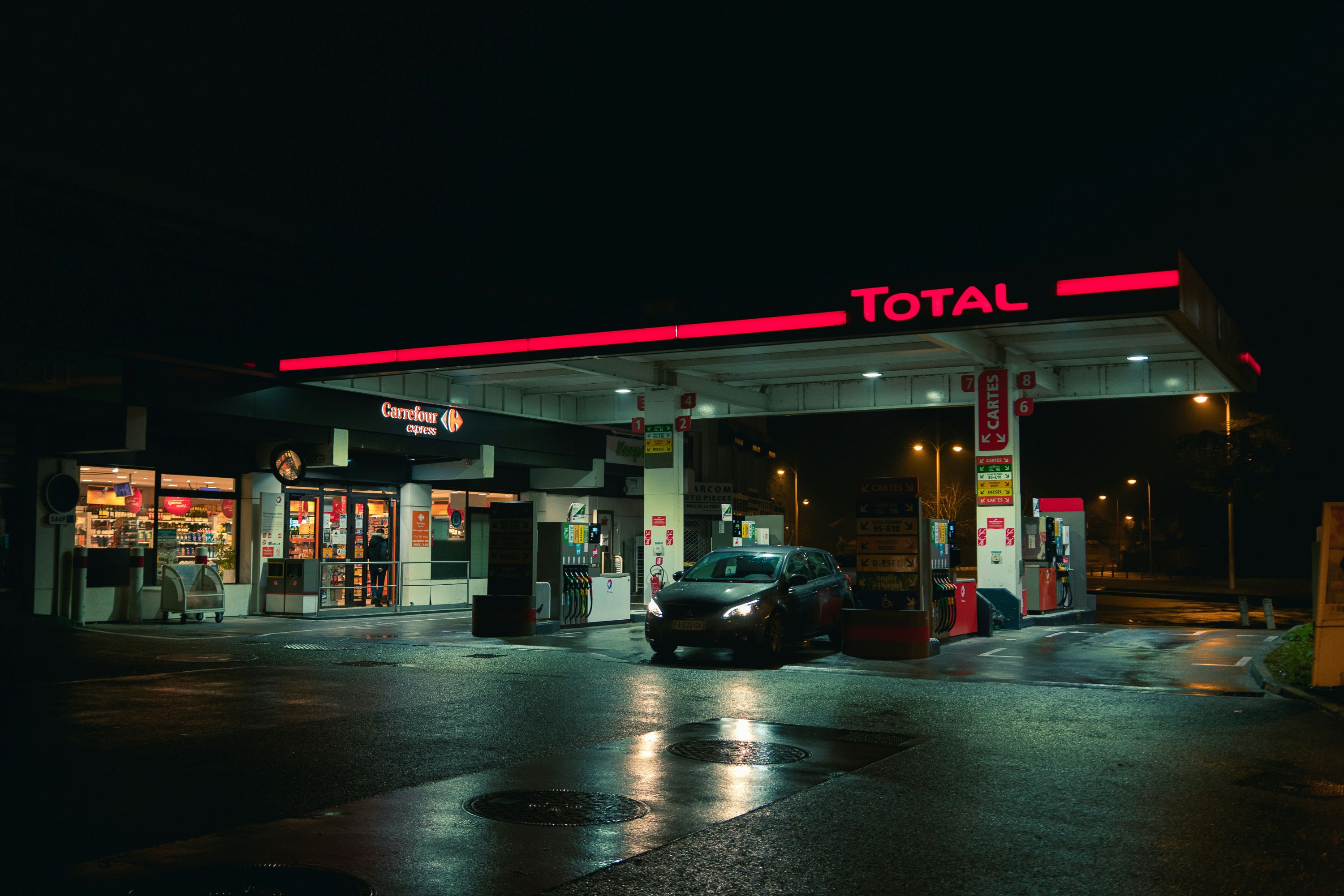
TotalEnergies Sells $510 Million Nigerian Oil Interest

TotalEnergies has completed its exit from a 12.5% interest in Nigeria’s deepwater OML 118, selling the stake for a total of $510 million as part of a...
AllianzGI Takes Majority Stake in Germany’s 2.6 GW Battery Storage Platform
Insights

AllianzGI Takes Majority Stake in Germany’s 2.6 GW Battery Storage Platform

Allianz Global Investors is making a major move into Germany’s expanding battery-storage market, acquiring a 51% stake in Green Energy Storage...
Schneider Electric Bets $22.6 Billion on Industrial Software
Insights

Schneider Electric Bets $22.6 Billion on Industrial Software

Schneider Electric is making one of the biggest bets in its history on software, agreeing to acquire U.S. industrial technology company PTC for...
Southeast Asia Faces a Growing Electricity Crunch
Insights

Southeast Asia Faces a Growing Electricity Crunch

Southeast Asia is entering an increasingly difficult phase of its energy transition: electricity demand is rising rapidly, while the infrastructure...
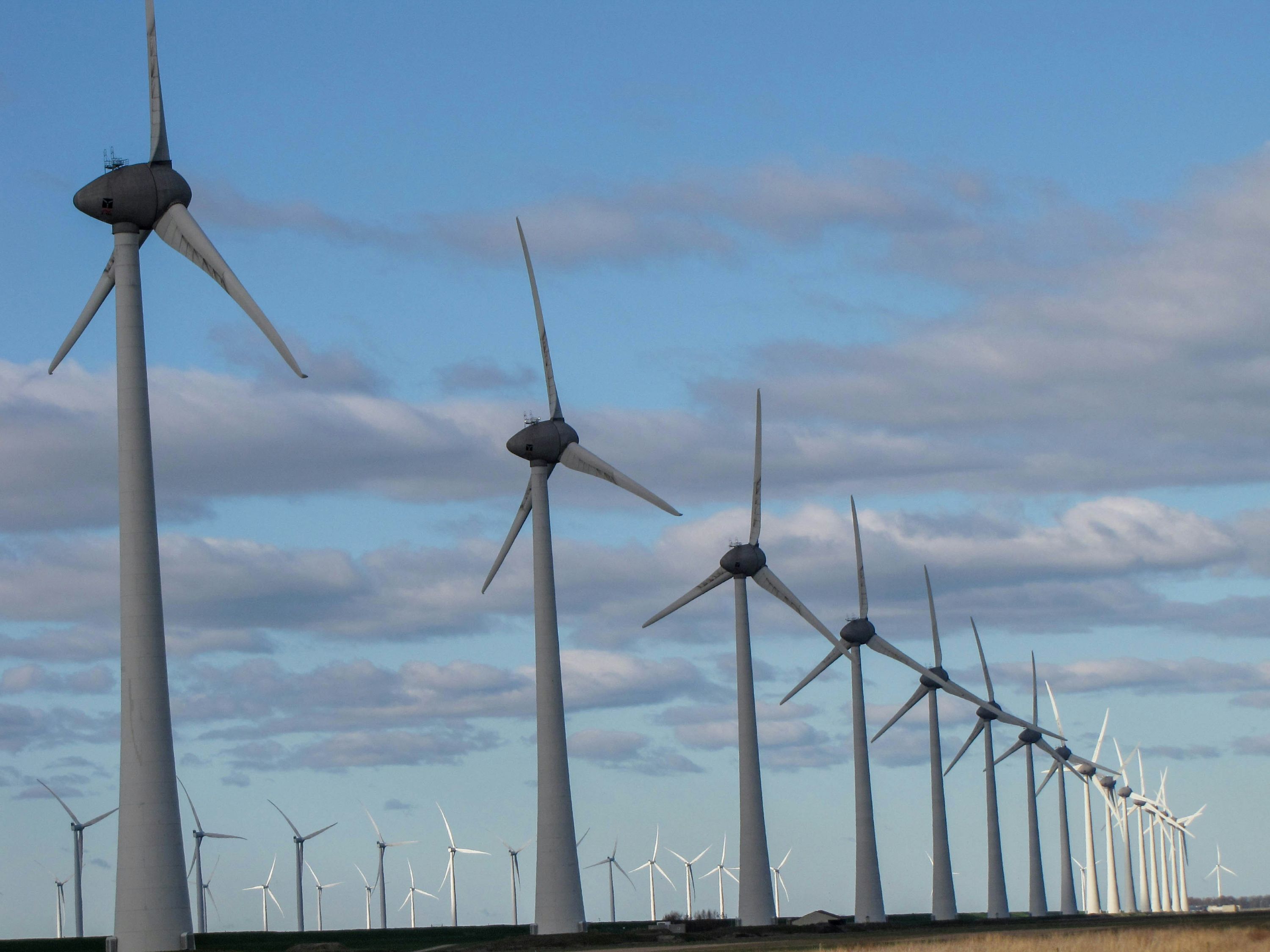
Turkey Sets New Renewable Energy Record as Solar and Wind Surge
Insights

Turkey Sets New Renewable Energy Record as Solar and Wind Surge

Turkey has reached a new milestone in its renewable-energy expansion, with solar and wind power accounting for more than half of the country’s...

Google Turns to Nuclear Power as AI Drives a New Electricity Race
Insights

Google Turns to Nuclear Power as AI Drives a New Electricity Race

Google is making one of its biggest moves yet into nuclear energy, signing a long-term agreement with Constellation Energy for 3,590 megawatts of...

G7 Moves to Release 100 Million Barrels From Emergency Oil Reserves
Insights

G7 Moves to Release 100 Million Barrels From Emergency Oil Reserves

The Group of Seven has agreed to release 100 million barrels of oil and fuel products from emergency reserves over the next four months, in an effort...

Nominate

Put forward
the best

Nominations are open to any individual, business, or organisation that meets the eligibility criteria. You may nominate yourself, a client, or a company you believe deserves international recognition.

  • ✓ Nominations are free to submit
  • ✓ Open to all sizes of business
  • ✓ International submissions welcome
  • ✓ All entries independently evaluated
  • ✓ Winners promoted globally
  • ✓ Dedicated winner profile pages
Submit Your Nomination
Free to enter. Open internationally. Takes 5 minutes.
FAQs

Common
questions

Everything you need to know about the Global Energy Awards nomination process, eligibility, and what winners receive.

Who can nominate for the Global Energy Awards?+
Anyone can submit a nomination — whether you are nominating your own business, a client, a supplier, or a company you admire. Nominations are open internationally to any Energy, Utilities & Sustainability professional or organisation operating at a professional standard.
What are the eligibility requirements?+
How are winners selected?+
Winner Testimonial
"Winning the Global Energy Award provided independent validation for our clean-tech solution, opening doors to vital new partnerships."
Dr. Elena Rostova
EcoGrid Dynamics — 2024 Winner, Best CleanTech Innovator
Global Awards Group
Global Energy Awards
Loading Experience